
Why Young Male Volleyball Players Should Train on the Beach
And What We Can Learn from Norway’s Multi-Sport Model
In the United States, youth sports culture often pushes early specialization. By middle school, many young male athletes are encouraged to “pick a sport” and focus exclusively on it year-round.
But what if that’s not the best path?
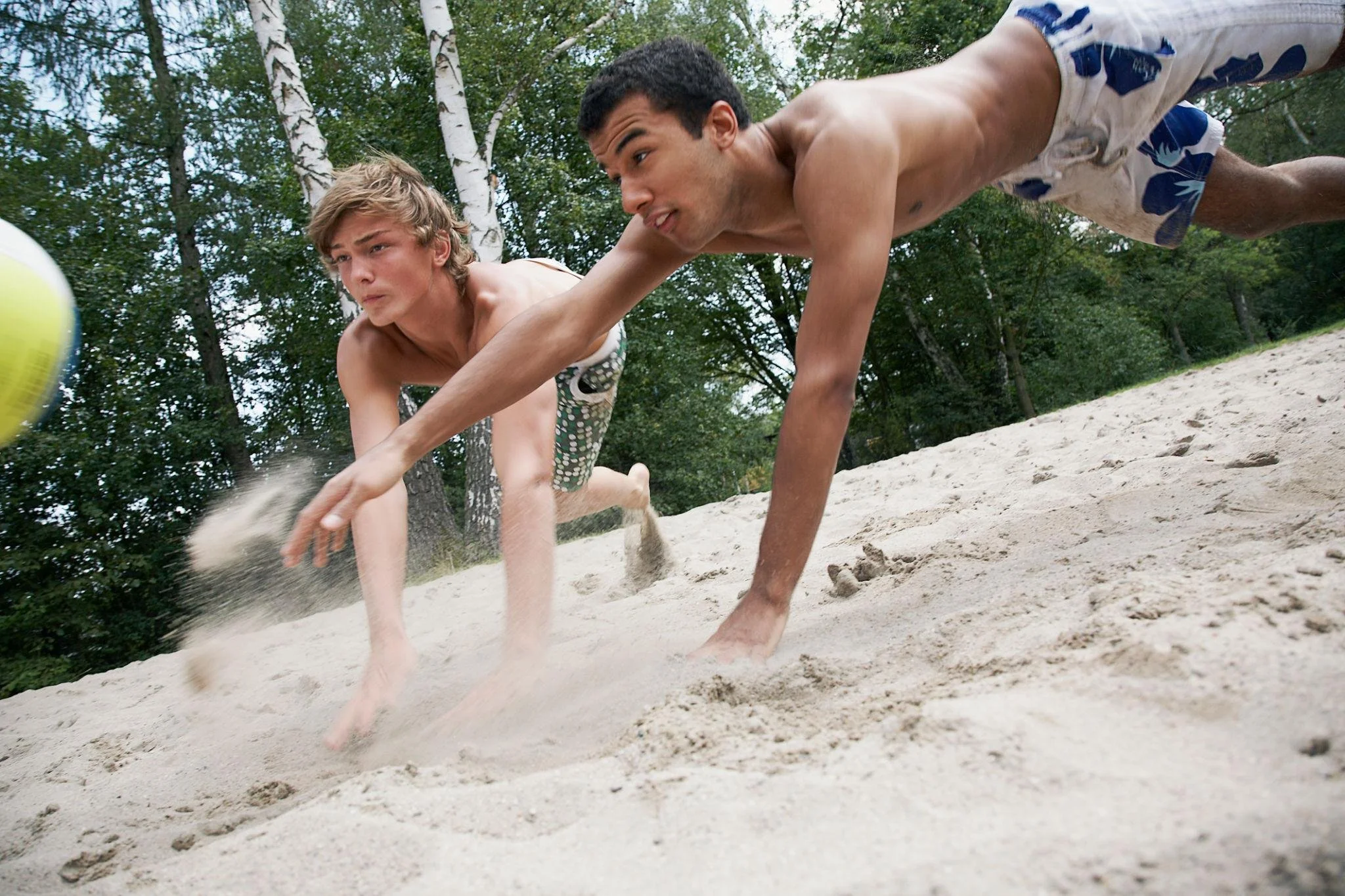
If you’re raising or coaching a young male volleyball player, beach volleyball may be one of the most powerful training environments available — not just for skill development, but for athleticism, resilience, and long-term success.
And countries like Norway may offer insight into why.
1. Beach Volleyball Develops Complete Athletes
Unlike indoor volleyball, beach volleyball is typically played 2v2. There are no substitutions. No specialists. No hiding in rotations.
Young male athletes must:
Pass
Set
Attack
Defend
Serve
Communicate
Problem-solve in real time
This creates well-rounded players instead of position-dependent athletes.
On the sand, players:
Build explosive leg strength
Improve balance and coordination
Develop superior body control
Increase cardiovascular endurance
Strengthen stabilizer muscles
When they return indoors, they often jump higher, move faster, and see the game better.
2. Sand Training Builds Mental Toughness
Beach volleyball demands self-reliance.
There is:
No bench to rotate through
No libero to cover serve receive
No quick sub if you struggle
No hiding behind teammates
Young men learn accountability, leadership, and composure under pressure.
Wind shifts. Sun glare changes vision. Sand moves beneath your feet. You must adapt constantly.
This adaptability translates directly to higher-level indoor play — and to life.
3. Injury Prevention & Athletic Longevity
Sand is a forgiving surface. Compared to hardwood courts, it reduces impact stress on joints.
For growing male athletes, this matters.
Beach training:
Strengthens ankles and knees
Builds joint stability
Reduces repetitive impact load
Encourages functional movement patterns
Many elite indoor athletes now use beach training in the offseason specifically for durability and longevity.
4. Norway’s Multi-Sport Model: A Powerful Lesson
Countries like Norway take a very different approach to youth sports than the United States.
In Norway:
Early specialization is discouraged.
Parents are not encouraged to push single-sport focus in childhood.
Young athletes are exposed to multiple sports for years.
Long-term development is prioritized over early wins.
The result?
Norway consistently produces world-class athletes across multiple sports — including beach volleyball.
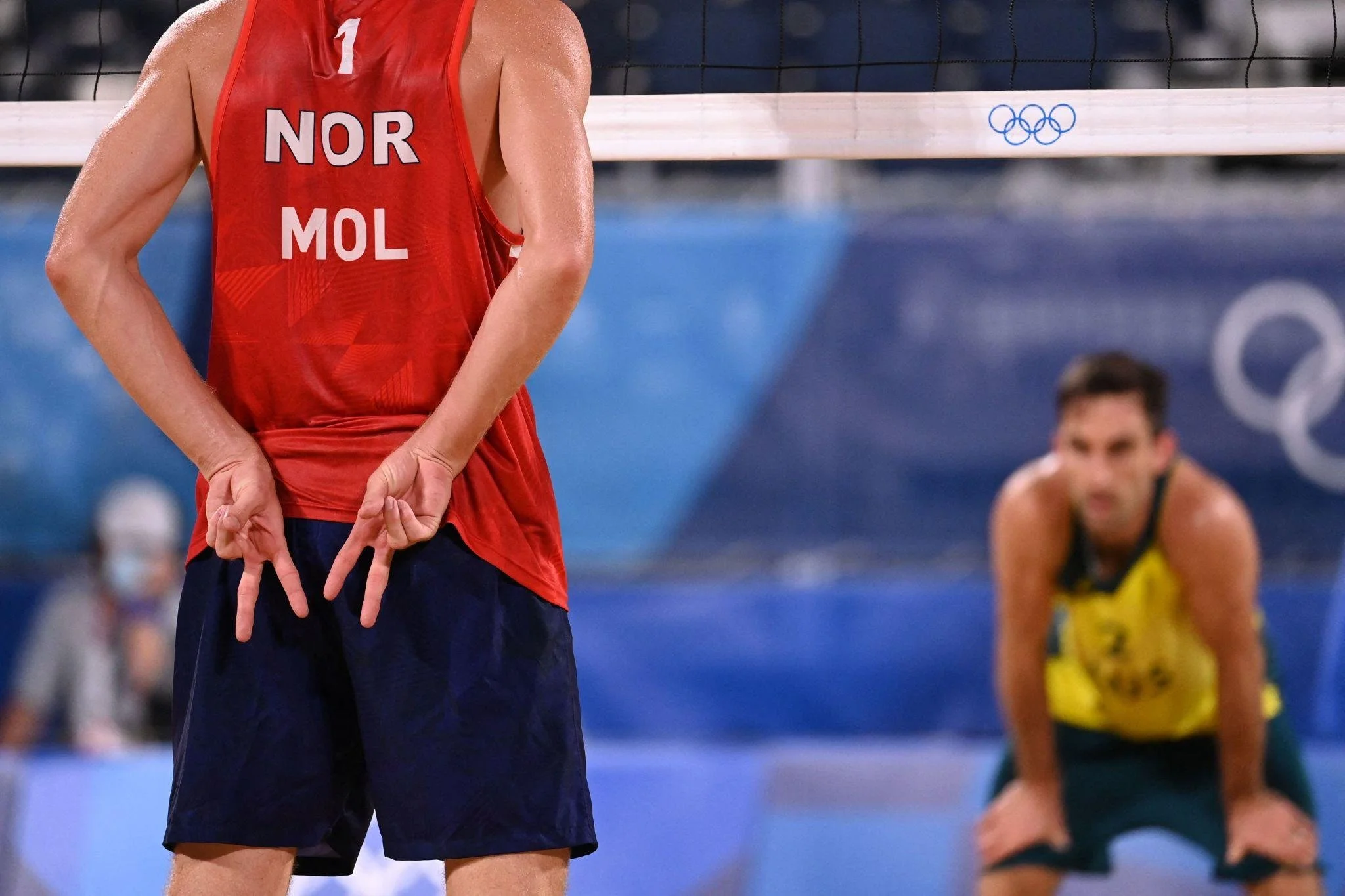
The Olympic gold medal beach team of Anders Mol and Christian Sørum is a prime example. Their training foundation emphasized:
Multi-sport athleticism
Skill development
Game intelligence
Long-term growth over early pressure
Norway frequently performs at an elite level at the Summer Olympics relative to its population size — and their youth development philosophy is a major reason why.
5. The U.S. Model: Early Specialization Risks
In contrast, many U.S. athletes:
Specialize by age 10–12
Train year-round in one sport
Experience burnout by high school
Face overuse injuries
Lose joy in competition
Early specialization can produce short-term success — but it often sacrifices long-term athletic ceiling.
Beach volleyball provides:
Cross-training benefits
Reduced burnout
Higher overall athletic IQ
More creativity on the court
6. Why Beach Training Elevates Indoor Performance
For young male volleyball players who aspire to compete at high levels indoors:
Beach training improves:
Ball control
Court awareness
Defensive reading
Shot selection
Transition speed
Communication under pressure
Indoor coaches consistently notice that players who train on sand:
Are more composed
See the game faster
Move better defensively
Compete with more grit
7. Building Athletes — Not Just Volleyball Players
The biggest benefit of beach training isn’t just better volleyball.
It builds:
Independent thinkers
Physically resilient athletes
Leaders
Competitors who embrace adversity
When young male athletes are allowed to:
Try multiple sports
Develop broadly
Train in dynamic environments like sand
They don’t just improve — they maximize potential.
Final Takeaway
If the goal is long-term development, college play, or even Olympic dreams, beach volleyball is not a distraction from indoor volleyball.
It’s an accelerator.
And as Norway’s model shows, when we focus on developing athletes first — not specializing too early — performance often follows.
For young male volleyball players, sand isn’t just a surface.
It’s a foundation.
Looking for a coach? Contact me at 904-864-4260!
